

Room Makeovers
Biophilic Design: How to Bring the Calm of Nature Into Your Home
March 26, 2026
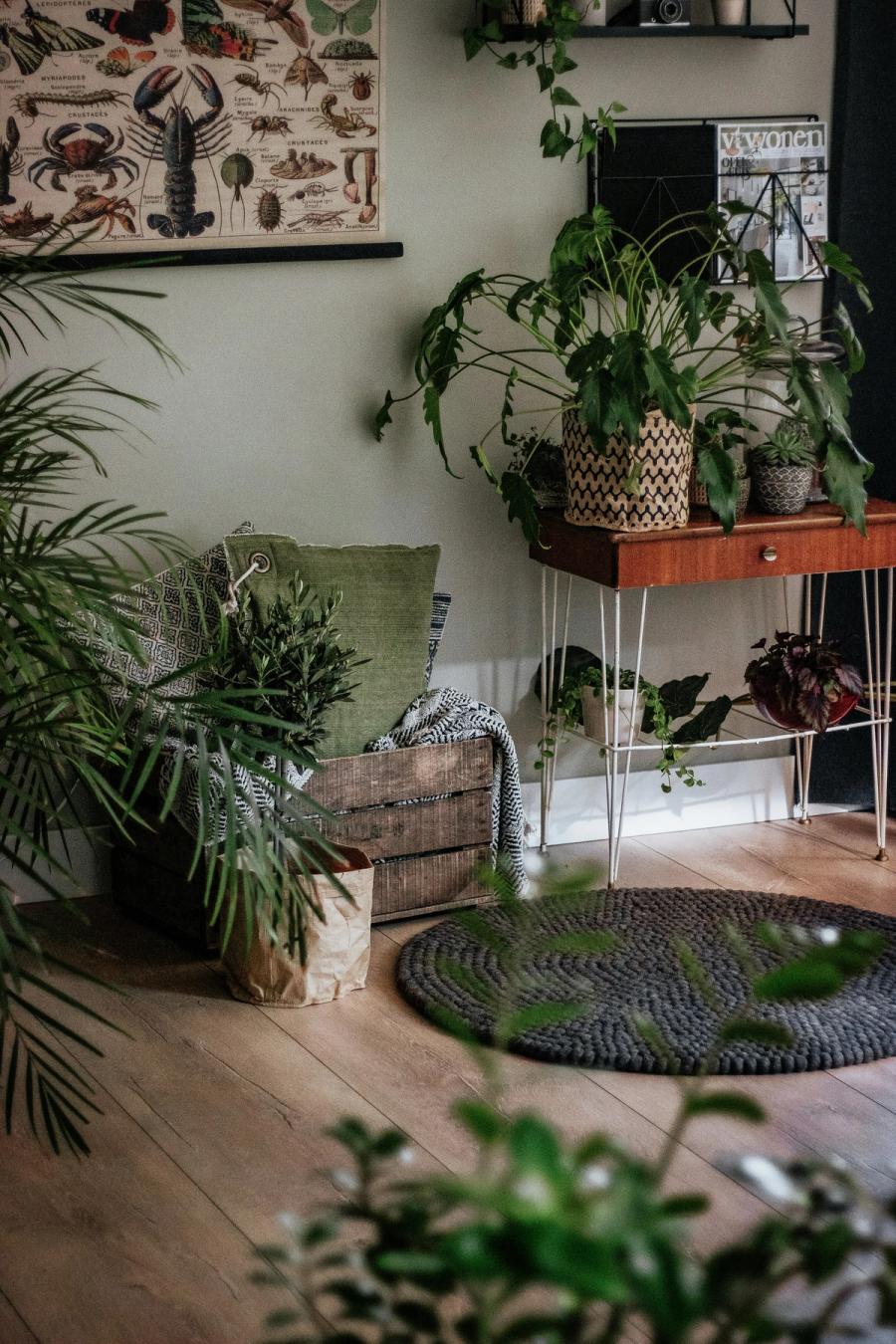
There is a reason you feel instantly calmer walking into a room filled with plants, natural wood, and soft daylight. Your body recognizes it. It is called biophilic design and it is one of the most powerful things you can do for your home and your mental health.
What Is Biophilic Design?
Biophilic design is the practice of connecting your living space to the natural world. The word comes from "biophilia" the innate human love of nature and living things.
It is not just about adding a plant to a shelf. It is about designing spaces that feel alive. Spaces with natural light, organic textures, plants at every scale, the sound of water, views of the outdoors, and materials that come directly from the earth.
Research consistently shows that people who live and work in biophilic spaces experience lower stress, better sleep, sharper focus and a deeper sense of calm. Your home should be your sanctuary and biophilic design makes that possible.
Start With Light
Natural light is the foundation of biophilic design. Before adding a single plant or natural material, look at how light moves through your home.
Move furniture away from windows. Replace heavy curtains with sheer linen panels that filter rather than block sunlight. Add mirrors strategically to bounce light into darker corners.
If a room has no natural light source, invest in full spectrum bulbs that mimic daylight. The difference to your mood and energy will be immediate.
Bring in Plants At Every Scale
Plants are the most direct expression of biophilic design. But the key is variety of scale, not just quantity.
A large fiddle leaf fig or monstera in the corner of a living room creates a structural, architectural presence. Medium plants on shelves and side tables fill the middle ground. Small succulents, moss, and trailing pothos on windowsills and desktops bring life to the edges.
Do not worry about having a green thumb. Start with hard to kill plants pothos, snake plants, ZZ plants, peace lilies. These thrive in most Indian home conditions and require minimal care.
Choose Materials From the Earth
Biophilic spaces are built from natural materials. Replace synthetic surfaces with:
Solid wood furniture over MDF or laminate. Jute, sisal, or wool rugs over synthetic carpets. Linen and cotton textiles over polyester. Stone, terracotta, and clay over plastic and ceramic.
These materials age beautifully. They develop patina, character, warmth. A solid mango wood coffee table ten years from now will look better than the day you bought it. A plastic table will not.
At Decorezzy, our handcrafted wooden trays, terracotta pots, and woven rattan baskets are designed specifically to bring this earthen quality into modern Indian homes.
The Sound and Scent of Nature
Biophilic design engages all the senses not just sight.
Sound: a small tabletop water fountain adds the gentle sound of moving water, one of the most universally calming sounds in the natural world.
Scent: natural candles in earthy fragrances sandalwood, vetiver, cedarwood, dried botanicals signal to your nervous system that you are in a safe, natural space.
Touch: layering natural textures a rough jute rug, a smooth wooden surface, a soft linen throw creates a tactile richness that feels genuinely grounding.
One Room at a Time
You do not need to redesign your entire home. Pick one room ideally your bedroom or the room where you spend the most time and apply these principles there first.
Add one large plant. Swap one synthetic textile for a natural one. Clear the window of obstructions. Add one wooden or stone object to a surface.
Live with it for a week. Notice how the room feels different. Then take it further.
Final Thought
Biophilic design is not a trend. It is a return to something we have always known that humans feel better when they are connected to the natural world.
Your home can be that connection. One plant, one wooden tray, one beam of morning light at a time.